Creating a safe environment in St. Louis massage therapy practices requires adhering to state regulations, including those addressing massage abuse. Key measures involve informed consent, employee training, background checks, security audits, open dialogue, and accessible reporting. A Missouri massage abuse law firm plays a critical role in investigating and prosecuting incidents. Therapists should:
– Conduct pre-session discussions to confirm client expectations and comfort levels.
– Maintain private, well-lit treatment rooms free from distractions.
– Encourage client feedback and implement complaint procedures.
– Collaborate with the massage abuse law firm Missouri offers for professional handling of incidents.
Continuous learning, open dialogue, and collective effort are essential to uphold safety standards, relying on legal awareness and support from a Missouri massage abuse law firm.
In the therapeutic realm of massage therapy, fostering a culture of safety is paramount to protect both practitioners and clients from potential harm. St. Louis, with its vibrant wellness community, faces unique challenges regarding massage abuse, underscoring the urgency for stringent safety measures. Currently, there’s a pressing need to address instances of inappropriate conduct, especially in light of recent controversies highlighted by local massage abuse law firms in Missouri. This article delves into practical strategies to establish and maintain a safe environment, focusing on policy implementation, staff training, and client education—essential steps towards revolutionizing the industry and ensuring everyone involved receives the respect and care they deserve.
Understanding Massage Therapy Safety Protocols in Missouri

In fostering a culture of safety within massage therapy practices in St. Louis, Missouri, therapists and facilities must navigate a complex web of regulations and guidelines designed to protect clients from potential harm, including massage abuse. Understanding and adhering to state-mandated safety protocols is not merely an ethical imperative but also a legal requirement. Missouri has specific laws in place aimed at ensuring client safety, particularly against abuse and non-consensual practices. For instance, the state’s massage abuse law firm, operating under the jurisdiction of the Missouri Attorney General, plays a pivotal role in investigating complaints and prosecuting perpetrators, underscoring the gravity of maintaining rigorous safety standards.
A cornerstone of these protocols is obtaining informed consent from clients before initiating any treatment. Therapists must clearly communicate the scope and nature of the massage, including potential risks or discomforts, to ensure clients understand their rights and make fully aware decisions. Furthermore, regular training on recognition and reporting of suspicious activities or client complaints is essential. According to recent data, incidents of massage abuse, while rare, have had severe consequences for both victims and practitioners when safety measures were lacking. Therefore, staying informed about Missouri’s evolving regulatory landscape is crucial for all massage therapy professionals.
To maintain a robust culture of safety, facilities should implement comprehensive policies that include thorough background checks on employees, regular security audits, and readily accessible reporting mechanisms for clients. Encouraging open dialogue and fostering a non-retaliation environment where staff feel comfortable raising concerns without fear of punishment is also vital. By integrating these practices into the fabric of massage therapy operations in St. Louis, professionals can contribute to creating a secure and nurturing environment for both practitioners and clients alike.
Creating a Secure Environment: Best Practices for Therapists

Creating a secure environment is paramount to fostering a culture of safety within massage therapy practices in St. Louis. Therapists play a pivotal role in ensuring client well-being by implementing best practices that prioritize consent, communication, and boundaries. Educating therapists and clients alike about personal boundaries and mutual respect is essential, emphasizing that any form of non-consensual touch or inappropriate behavior is unacceptable and can be addressed through the robust massage abuse law firm Missouri offers. Regular training sessions focusing on informed consent, body mapping exercises, and clear communication strategies can empower therapists to create a safe haven for their clients.
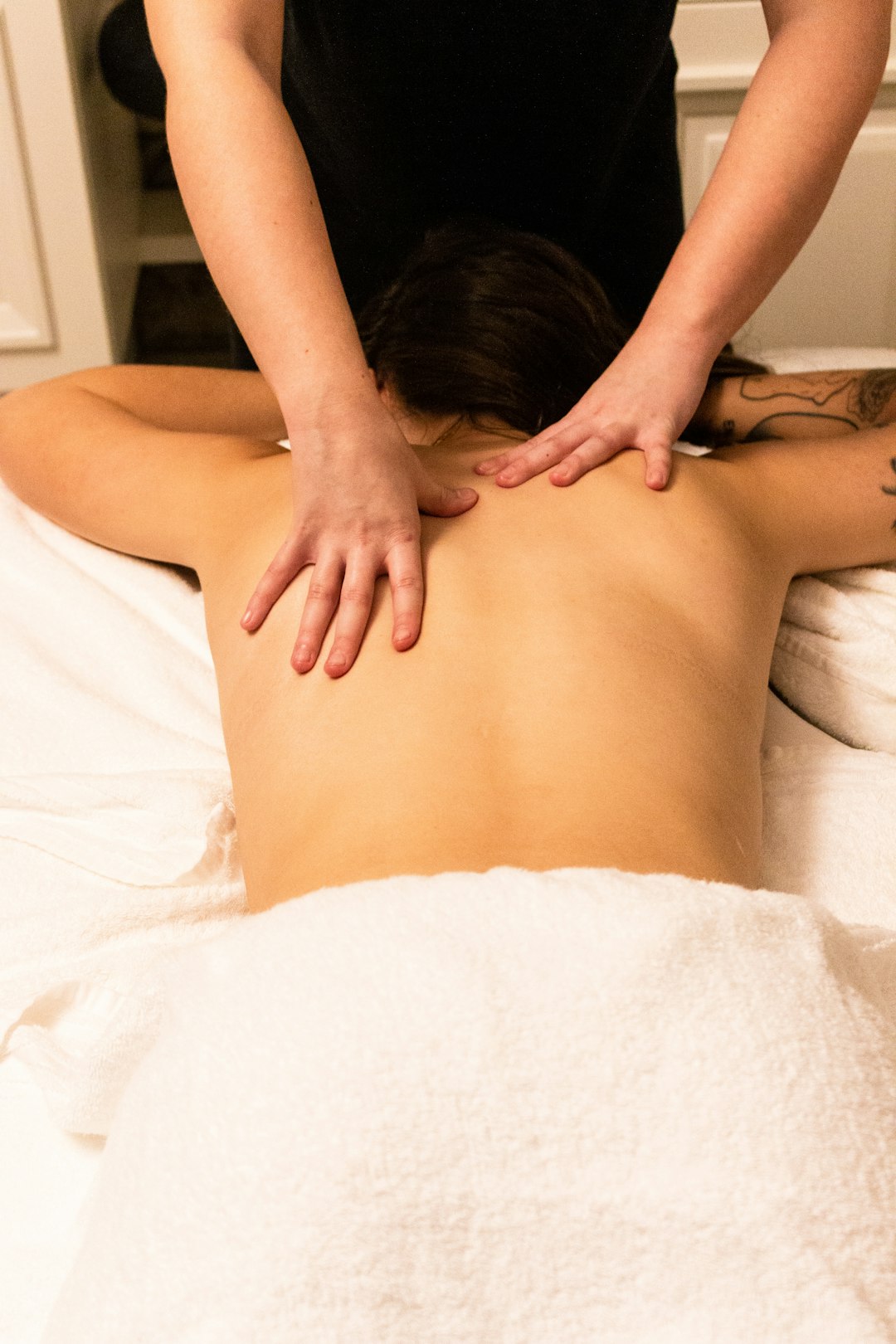
One practical approach involves establishing explicit pre-session discussions where therapists confirm client expectations, comfort levels, and any areas of concern. This open dialogue not only respects individual autonomy but also provides therapists with valuable insights into potential triggers or sensitivities. Additionally, maintaining a clean, professional space that encourages openness and trust can significantly contribute to a culture of safety. Therapists should ensure their treatment rooms are private, well-lit, and free from distractions to promote a calm and secure atmosphere.
Beyond these measures, fostering an environment of transparency and accountability is crucial. Encouraging clients to provide feedback and complaints procedures in place that address concerns promptly demonstrates a commitment to safety. Collaborating with local massage abuse law firms Missouri has to offer can ensure that any incidents are handled professionally and legally, reinforcing the priority given to client safety within the community. Ultimately, creating a secure environment requires continuous learning, open dialogue, and a collective effort to uphold the highest standards of ethical practice.
Legal Considerations and Support: Protecting Clients from Abuse

In fostering a culture of safety within massage therapy practices in St. Louis, legal considerations and support are paramount to protect both clients and therapists from potential abuse. Massage therapy, while therapeutic and restorative, carries inherent risks if not practiced under safe conditions. One of the critical aspects is understanding and adhering to local laws regarding consent, client privacy, and reporting obligations. Missouri law, for instance, mandates that therapists obtain informed consent from clients before any treatment, ensuring they understand the process, potential risks, and their rights (Missouri Revised Statutes § 427.130). Failure to do so can lead to legal repercussions, with a massage abuse law firm in Missouri actively pursuing cases of negligence or intentional harm.
The prevention of massage abuse necessitates a multi-faceted approach. Therapists must be educated on recognizing and reporting suspicious activities, such as unusual requests for privacy or instances where clients seem uncomfortable discussing certain areas of their body. Many states, including Missouri, have specific laws addressing inappropriate touch, with penalties ranging from civil lawsuits to criminal charges (Missouri Revised Statutes § 565.070). Regular training sessions that delve into these legalities can empower therapists to create a safer environment. Additionally, establishing clear policies within practices—documenting client interactions, maintaining strict confidentiality, and having reporting protocols in place—can serve as a robust defense against potential allegations, including false ones.
Beyond legal compliance, fostering an open dialogue about consent and boundaries is essential. Therapists should encourage clients to communicate their comfort levels throughout the session. This proactive approach not only respects client autonomy but also provides therapists with early warning signs of possible misconduct or abuse. For instance, a client’s sudden refusal to proceed with certain techniques or their unusual behavior post-treatment could indicate underlying issues. A supportive culture within the massage therapy community can further mitigate risks by fostering collective responsibility for one another’s well-being and that of clients. This includes reporting any concerning incidents to relevant authorities and seeking guidance from legal experts, such as a massage abuse law firm in Missouri, when navigating complex situations.