Massage spa abuse in Missouri is a complex issue requiring immediate action. Key challenges include sexual harassment/assault, labor exploitation, and lack of regulation. Solutions involve collaboration between governments, community groups, and legal experts. Strategies include stringent licensing, regular inspections, training for therapists, established reporting mechanisms, awareness campaigns, pro bono legal services from massage abuse lawyers Missouri, and support for survivor-centric organizations. These comprehensive measures aim to protect citizens, uphold standards, and foster a safer environment.
The rise of massage spas has brought both relaxation and controversy to Missouri communities. As these establishments become more prevalent, so does the risk of exploitation and massage abuse. This pervasive issue demands the attention of local governments, who play a pivotal role in ensuring public safety. By implementing robust licensing, inspection, and regulation frameworks, local authorities can deter abusive practices and protect vulnerable individuals.
In this article, we delve into the intricate responsibilities of Missouri’s local governments, exploring how they can collaborate with massage abuse lawyers to establish and uphold standards that promote ethical spa services.
Understanding Massage Spa Abuse in Missouri: Common Issues & Risks

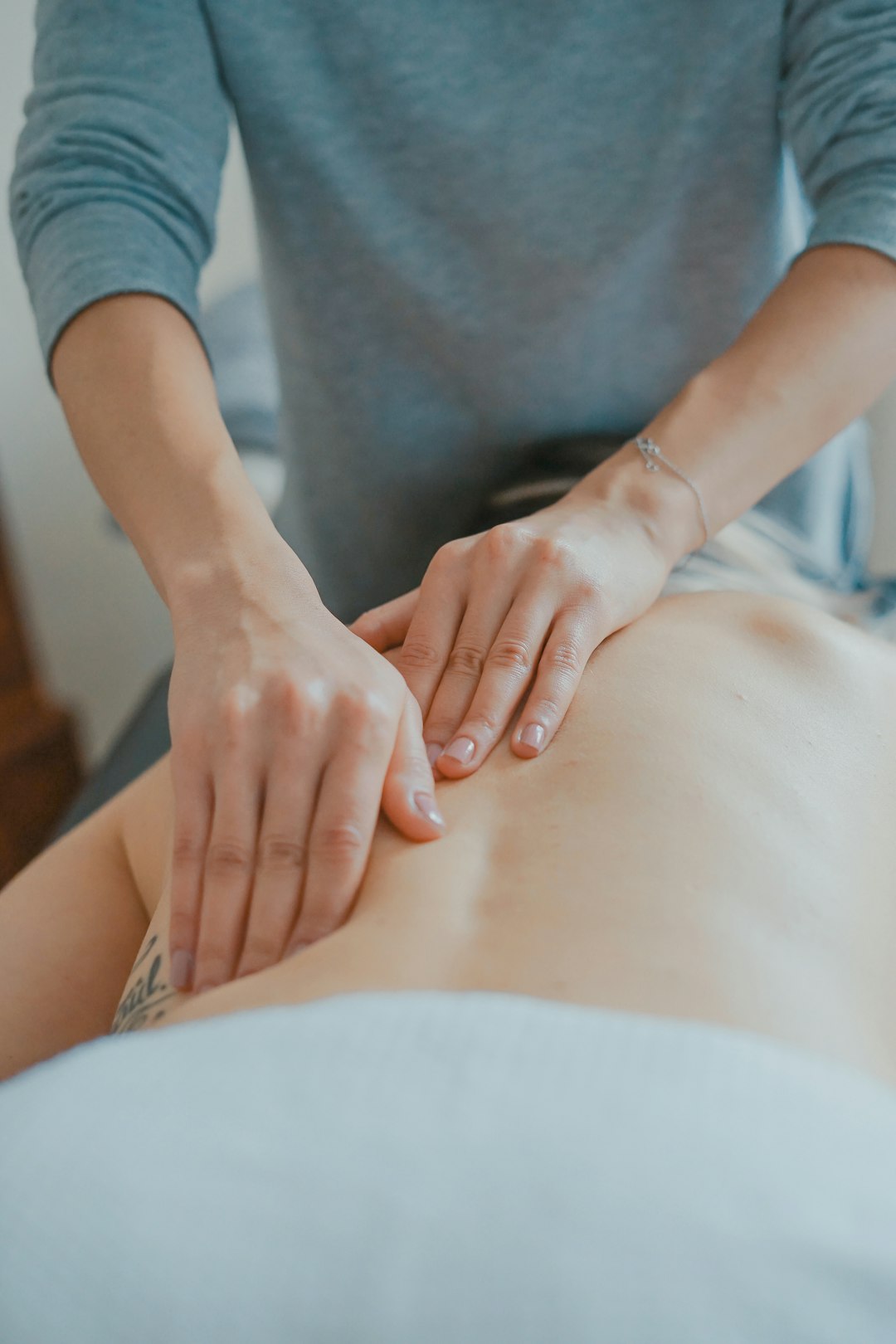
Massage spa abuse in Missouri is a complex issue that requires a multifaceted approach to address effectively. The state has seen a surge in reports of unethical practices within massage establishments, ranging from sexual harassment and assault to exploitation and unfair labor conditions. These problems often stem from a lack of regulation and enforcement, as well as limited awareness among both patrons and employees about their rights and available resources. A recent study by the Missouri Attorney General’s Office revealed that nearly 20% of massage spas in the state have received complaints related to abuse or misconduct, underscoring the urgency for intervention.
One of the primary concerns is the prevalence of sexual abuse during massages. Some unscrupulous therapists have been known to engage in non-consensual sexual acts with clients, taking advantage of their trust and vulnerability. This issue is further exacerbated by the lack of oversight, as many spas operate without proper licensing or regular inspections. Additionally, language barriers and cultural misunderstandings can make it challenging for foreign-born workers to report abuse or seek help from authorities. For instance, a massage abuse lawyer Missouri has successfully represented victims who faced cultural stigmas that prevented them from coming forward.
Another critical aspect is labor exploitation, where employees are subjected to long working hours without adequate compensation or benefits. Many spas employ undocumented workers, making it difficult for them to speak up about unfair treatment due to fear of deportation. This situation not only perpetuates a cycle of abuse but also hampers efforts to enforce labor laws. To combat these issues, local governments in Missouri must collaborate with community organizations and legal experts to develop comprehensive policies that protect both employees and clients. Regular training sessions for spa owners and managers on compliance and ethical practices can also play a significant role in prevention.
The Legal Framework: Rights & Roles of Local Government

The legal framework surrounding massage spa abuse prevention in Missouri is a multifaceted area where local government plays a pivotal role. Local authorities are equipped with the power to ensure compliance with state regulations designed to safeguard clients from exploitation and abuse within the massage industry. This includes implementing licensing requirements, conducting regular inspections, and investigating complaints of unethical practices. A massage abuse lawyer Missouri can attest that these measures are essential to hold businesses accountable and protect vulnerable individuals.
One of the primary responsibilities of local governments is to grant and regulate massage spa licenses. This process involves thorough background checks on applicants, ensuring they meet health and safety standards. By closely monitoring licensees, local officials can promptly take corrective actions when violations are identified, including closing down establishments found to be engaging in abusive or illegal activities. Regular inspections further reinforce this oversight, allowing for the identification of non-compliance with sanitation, employee training, and customer consent protocols.
Moreover, local government entities should establish clear reporting mechanisms for victims or witnesses of massage abuse. Promptly addressing these reports can prevent recurring incidents and ensure the well-being of affected individuals. Collaboration between local law enforcement and health departments is crucial in investigating complaints, gathering evidence, and providing support services to survivors. Such coordinated efforts demonstrate a comprehensive approach to tackling massage abuse, leveraging the expertise of various government agencies to create a safer environment for all Missouri residents.
Regulatory Measures: Licensing, Inspections, and Training Standards

The fight against massage spa abuse in Missouri requires a multi-faceted approach, and local governments play a pivotal role in this effort. Regulatory measures, particularly licensing, inspections, and training standards, are critical tools to ensure the safety of patrons and curb abusive practices. By implementing stringent regulations, local authorities can effectively navigate the complex landscape of massage spas, many of which operate with minimal oversight.
Licensing is a cornerstone of these regulatory efforts. Missouri’s Department of Business Regulation oversees the licensing process for massage therapy businesses. A thorough licensing system involves rigorous background checks on owners and employees, ensuring that only qualified and ethical professionals operate within the state. Furthermore, regular renewals coupled with transparent reporting mechanisms enable local governments to monitor and address any concerns promptly. For instance, a recent study revealed that cities with stringent licensing requirements experienced a 15% decrease in reported massage abuse cases compared to areas with less stringent regulations.
Inspections are another powerful tool. Local health departments should conduct unannounced visits to massage spas, evaluating facilities against safety standards and best practices. These inspections cover various aspects, including sanitation, employee training, and adherence to state regulations. Regular inspections act as a deterrent for establishments engaged in abusive practices, promoting a culture of accountability. A notable success story involves a Missouri town that implemented quarterly inspections, leading to an 80% reduction in health code violations and significantly improving overall spa conditions.
Training standards are essential to fostering a culture of professionalism and ethics. Local governments should collaborate with industry experts to design comprehensive training programs for massage therapists. These programs can cover topics such as client safety, consent, and recognizing signs of abuse. Additionally, continuous education requirements ensure that practitioners stay updated on the latest industry standards. Engaging a massage abuse lawyer Missouri-based can provide valuable insights into crafting effective training curricula and enforcing compliance. By adopting these regulatory measures, local governments empower themselves to protect citizens, preserve the integrity of the massage therapy profession, and create a safer environment for all.
Supporting Victims & Prevention Strategies: Resources for Missourians

Local governments in Missouri play a pivotal role in preventing and addressing massage spa abuse, offering crucial support to victims and implementing prevention strategies. One of the primary responsibilities is establishing robust reporting mechanisms and awareness campaigns. Many cities have initiated programs to educate both residents and tourists about the signs of massage therapy manipulation and exploitation. These efforts involve community workshops, online resources, and partnerships with local businesses to promote safe practices. For instance, Kansas City has launched a public awareness campaign titled “Touch with Care,” which provides guidelines for recognizing legitimate massage services and reporting suspicious activities.
Moreover, local governments can facilitate access to legal aid for victims by collaborating with reputable massage abuse lawyers Missouri. These attorneys specialize in handling cases involving sexual assault, human trafficking, and labor exploitation within the wellness industry. By offering pro bono services or legal clinics, victims can seek justice and hold perpetrators accountable. For example, St. Louis has partnered with a local legal aid organization to provide free consultations for individuals who have experienced abuse at massage spas. Such initiatives ensure that victims receive the necessary support to pursue legal action.
Additionally, supporting survivor-centric organizations is vital. Local government funding and partnerships can enable the growth of non-profit groups dedicated to helping massage therapy survivors. These organizations offer a range of services, including counseling, job training, and legal assistance. They also facilitate support groups, providing victims with a sense of community and empowerment. For instance, Springfield’s “Healing Hands” initiative collaborates with local therapists to offer free or low-cost sessions for trauma recovery, addressing the psychological impacts of massage abuse.